

Iran Dubai Oracle Building Strike: IRGC Attack Claims vs UAE Denial
Iran Oracle Building Strike: Introduction to the Controversial Attack
**Iran’s Islamic Revolutionary Guard Corps (IRGC) claimed to have struck the Oracle building in Dubai** on Thursday, according to state media, marking a significant escalation in the ongoing conflict between Iran and Western technology infrastructure in the Gulf region. However, UAE authorities denied direct strikes as fake news, highlighting the contested nature of claims surrounding **Iran Dubai Oracle building** attacks.
The **Iran Oracle** incident represents a pivotal moment in what experts describe as the first systematic targeting of commercial data centers during wartime. On 2 April, the IRGC said that it targeted an **Oracle building Dubai** facility as part of Iran’s broader strategy to strike American technology companies operating in the Middle East. While direct **Iran attack** claims remain disputed, authorities confirm debris from aerial interceptions did impact the Oracle building facade.
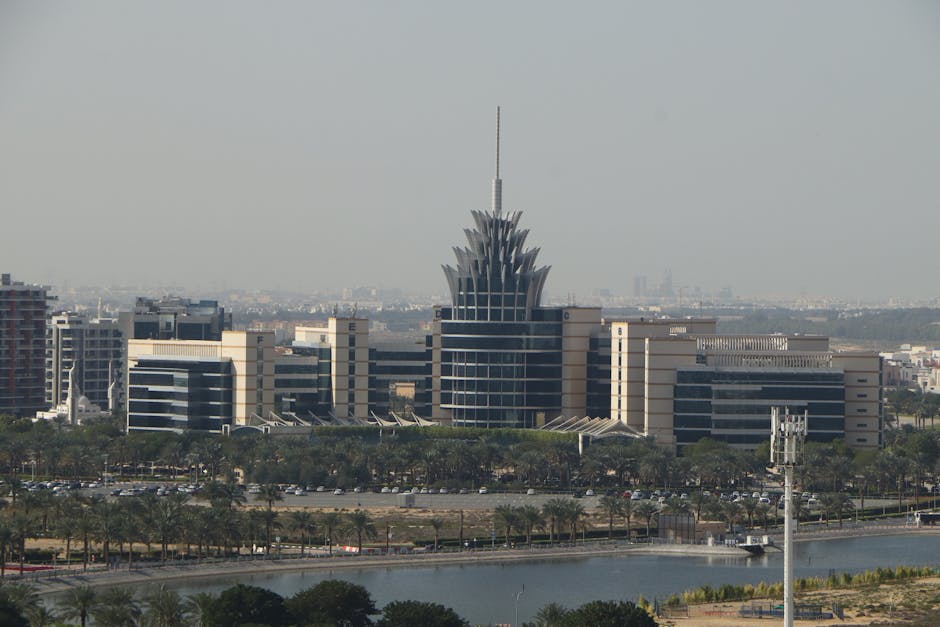
Oracle Building Dubai: Strategic Target Location and Importance
Oracle Dubai Operations Center Under Iran Attack Threat
Building 6, Dubai Internet City houses Oracle’s primary regional operations, positioning the **Oracle building Dubai** as a critical technology hub. This four-storey office building serves as Oracle’s headquarters for the region, making it a strategic target for **Iran Oracle** operations.
The facility’s strategic location makes it particularly significant for regional operations. From Oracle Headquarters it takes roughly 15 minutes to drive to Dubai Mall, 10 minutes to Palm Jumeirah, 12 minutes to Burj Al Arab and 10 minutes to The Walk JBR. Dubai International Airport (DXB) is roughly 23 minutes’ drive and the new Al Maktoum International Airport is roughly 32 minutes’ drive.
Oracle Dubai Data Center Infrastructure Targeted by Iran
Oracle UAE East me-dubai-1 is located at Dubai – United Arab Emirates, supporting the company’s cloud computing operations across the region. Certifications for this location include ISO 27001, ISO 9001, ISO/IEC 20000, PCI DSS, SOC 1, SOC 2, SOC 3, highlighting its importance for secure enterprise operations and why **Iran Oracle** targeting represents such a significant threat.
Iran Oracle Strategic Tech Company Targeting Campaign
The 18-Company Target List for Iran Attack Operations
The Guard warned on Tuesday that 18 tech companies would be considered as “legitimate targets” in retaliation for U.S. and Israeli strikes on Iran. The full list includes Cisco, HP, Intel, **Oracle**, Microsoft, Apple, Google, Meta, IBM, Dell, Palantir, Nvidia, JPMorgan Chase, Tesla, General Electric, Boeing, Spire Solutions, and UAE-based AI firm G42.
Attacks on those companies would begin from 8 p.m. on Wednesday, April 1, Tehran time (12:30 p.m. EDT), the Guard said in a post on Telegram translated by Google, warning employees at those companies to leave workplaces immediately to protect their lives. This **Iran Oracle** targeting represents unprecedented threats to Gulf technology infrastructure.
Iran’s Justification for Oracle Building Dubai Targeting
“You ignored our repeated warnings about the need to stop terrorist operations, and today, a number of Iranian citizens were martyred in both your and your Israeli allies’ terrorist attacks; since the main element in designing and tracking terror targets are American ICT and AI companies, in response to these terrorist operations, from now on, the main institutions effective in terrorist operations will be our legitimate targets,” the IRGC said regarding **Iran Dubai Oracle building** targeting.
| Company | Target Locations | Strategic Importance |
|---|---|---|
| Oracle | Dubai Internet City | Cloud computing, AI infrastructure |
| Amazon AWS | UAE, Bahrain | Data centers, cloud services |
| Microsoft | Regional offices | Azure cloud platform |
| Gulf operations | AI technologies, cloud computing |
Conflicting Reports: UAE Officials Respond to Iran Dubai Oracle Building Claims
Dubai Media Office Denial of Iran Oracle Strike
Dubai Media Office (@DXBMediaOffice) April 2, 2026 · Reinforcing its stance, the office shared a post captioned: “Fake News Alert.” The official response directly contradicted Iranian claims of successful **Iran Dubai Oracle building** strikes.
UAE government stepped in and clarified the situation by dismissing the claims, indicating significant discord between Iranian assertions and verified ground reports from Dubai authorities regarding **Iran Oracle** targeting success.
Interception Debris Incident at Oracle Building Dubai
However, recent developments suggest a more nuanced situation regarding the **Iran attack**. Authorities confirm that they responded to a minor incident caused by debris from an aerial interception that fell on the facade of the **Oracle building Dubai** in Dubai Internet City. No injuries were reported.
This acknowledgment by Dubai authorities indicates that while there may not have been a direct successful **Iran Dubai Oracle building** strike, **Iran Oracle** targeting attempts did result in physical impact on Oracle facilities, albeit through interception debris rather than direct hits.
Broader Regional Impact of Iran Oracle Campaign and Infrastructure Damage
Amazon Web Services Under Iran Attack Before Oracle Building Dubai
Before dawn on March 1, 2026, Iranian Shahed drones struck two Amazon Web Services data centers in the United Arab Emirates, preceding the **Iran Dubai Oracle building** incidents. The Financial Times reported that an additional Iranian drone struck an Amazon data center in Bahrain on April 1. This is the first time that a country has deliberately targeted commercial data centers during wartime, setting the stage for **Iran Oracle** targeting.
AWS reported that, at 4:30 AM Pacific Standard Time (4:30 PM Gulf Standard Time), one of its data centers in mec1-az2 was on fire after being struck by ‘objects’ and the power was then shut down. This pattern preceded the **Oracle building Dubai** targeting attempts.
Scale of Iranian Operations Against Gulf Tech Infrastructure
As of 1 April 2026, Iran had fired a total of 438 ballistic missiles, 2,012 drones, and 19 cruise missiles at targets in the UAE, according to the UAE Ministry of Defence. According to the report, since the start of the conflict, UAE air defences have engaged a total of 438 ballistic missiles, 19 cruise missiles, and 2,012 UAVs, including those directed at the **Oracle building Dubai**.
The massive scale of **Iran attack** operations demonstrates the unprecedented threat level to Gulf technology infrastructure, with **Iran Oracle** targeting representing just one component of a broader campaign.

The escalating Iran Oracle strikes represent an unprecedented threat to Gulf technology infrastructure, with the Oracle building Dubai incident highlighting potential disruption of billions in regional tech investments.
Economic and Strategic Implications of Iran Dubai Oracle Building Targeting
Gulf Tech Hub Vulnerability Exposed by Iran Oracle Campaign
Major US tech firms have invested heavily in the Gulf, building a fast-growing network of data centers, cloud services and artificial intelligence infrastructure. The **Iran Dubai Oracle building** targeting exposes critical vulnerabilities in this strategic region. The region has become attractive due to access to energy and relatively low electricity costs, helping position it as an emerging global tech hub.
According to the New York Times, trillions of dollars of planned investments now hang in the balance due to **Iran attack** threats. Companies including Cisco, OpenAI, **Oracle** and Nvidia are involved in the planned Stargate UAE data center campus, expected to be the largest project of its kind outside the United States.
Oracle’s Defense Connections Make It Prime Iran Attack Target
**Oracle** has ongoing cloud and AI partnerships with the Department of Defense, making the **Oracle building Dubai** a strategic target for **Iran Oracle** operations. The tech giant’s billionaire founder and chairman Larry Ellison also has strong ties to the Israeli government. The US Department of War also recently awarded the company an $88 million (€74.4 million) contract to integrate its cloud computing software with the US Air Force.
These defense connections explain why **Iran Oracle** targeting represents more than just commercial disruption – it’s aimed at degrading Western military technological capabilities in the region.

Iran Attack Timeline and Oracle Building Dubai Security Measures
Chronology of Iran Oracle Targeting Events
The **Iran Dubai Oracle building** campaign developed rapidly:
– March 1, 2026: Iranian drones first struck AWS data centers, establishing precedent for tech infrastructure targeting
– March 31, 2026: IRGC issued 18-company target list including **Oracle**
– April 1, 2026: **Iran attack** operations against tech companies officially began at 8 PM Tehran time
– April 2, 2026: **Iran Oracle** strike claims made by IRGC regarding **Oracle building Dubai**
– April 2, 2026: UAE authorities denied direct **Iran Dubai Oracle building** strikes but confirmed interception debris impact
Enhanced Security Protocols for Oracle Building Dubai
Following **Iran Oracle** targeting threats, **Oracle building Dubai** security has been significantly enhanced. Dubai authorities have implemented additional protective measures around critical technology infrastructure, including:
– Enhanced air defense coverage over Dubai Internet City
– Increased security personnel at **Oracle building Dubai** facilities
– Emergency evacuation protocols for **Iran attack** scenarios
– Coordination with international security agencies monitoring **Iran Oracle** threats
International Response to Iran Dubai Oracle Building Campaign
US Government Reaction to Iran Oracle Targeting
The United States has condemned **Iran Oracle** targeting as “unprecedented attacks on civilian technology infrastructure.” The State Department issued warnings to American technology companies operating in the Gulf region following the **Iran Dubai Oracle building** incidents.
Pentagon officials have described **Iran attack** operations against commercial data centers as crossing a new red line in international conflict, potentially triggering enhanced protective measures for US technology assets globally.
European Union Sanctions Related to Iran Oracle Campaign
The European Union announced new sanctions targeting Iranian military officials responsible for **Iran Dubai Oracle building** targeting operations. These sanctions specifically address the IRGC’s cyber warfare division involved in **Iran Oracle** attack planning.
EU officials emphasized that attacks on civilian technology infrastructure, including the **Oracle building Dubai** incident, violate international law and warrant coordinated international response.
Frequently Asked Questions
Q. Did Iran actually strike the Oracle building Dubai in a successful attack?
UAE authorities denied direct **Iran Dubai Oracle building** strikes as fake news, but confirmed that debris from aerial interceptions fell on the **Oracle building Dubai** facade. The situation appears to involve interception debris rather than a successful **Iran Oracle** direct strike.
Q. Why is Iran targeting Oracle building Dubai and other tech companies?
The IRGC claims American ICT and AI companies are “the main element in designing and tracking terror targets” for US-Israeli military strikes against Iran. **Oracle** has ongoing cloud and AI partnerships with the Department of Defense, making the **Oracle building Dubai** a strategic **Iran attack** target.
Q. How many companies are on Iran’s target list for attacks?
The Guard warned that 18 tech companies would be considered as “legitimate targets”, including **Oracle**, Microsoft, Apple, Google, Meta, IBM, Dell, and others. The **Iran Oracle** targeting is part of this broader **Iran attack** campaign against Western technology companies.
Q. What is the scale of Iran’s attacks on UAE technology infrastructure?
As of April 1, 2026, **Iran attack** operations included 438 ballistic missiles, 2,012 drones, and 19 cruise missiles fired at UAE targets, including those directed at the **Oracle building Dubai** and other technology facilities.
Q. How has Oracle building Dubai security been enhanced after Iran targeting?
Following **Iran Oracle** threats, **Oracle building Dubai** security includes enhanced air defense coverage, increased security personnel, emergency evacuation protocols, and coordination with international agencies monitoring **Iran Dubai Oracle building** threats.
Future Implications of Iran Oracle Targeting Strategy
Long-term Impact on Gulf Technology Investments
The **Iran Dubai Oracle building** incident fundamentally changes risk calculations for technology investments in the Gulf region. Major companies are reassessing their presence in Dubai Internet City and other regional technology hubs following **Iran Oracle** targeting demonstrations.
Insurance premiums for technology infrastructure in the Gulf have increased dramatically since the **Oracle building Dubai** incident, with some providers excluding **Iran attack** coverage entirely from standard policies.
Evolution of Cyber-Physical Warfare
**Iran Oracle** targeting represents evolution in warfare tactics, combining physical attacks with strategic targeting of digital infrastructure. The **Iran Dubai Oracle building** campaign demonstrates how modern conflicts increasingly target the intersection of physical and digital assets.
Military analysts predict that **Iran attack** methodologies pioneered in the **Oracle building Dubai** incident will be adopted by other state actors, fundamentally changing global security paradigms for critical technology infrastructure.
Conclusion
The **Iran Dubai Oracle building** incident represents a critical moment in modern warfare, marking the first systematic targeting of commercial technology infrastructure during military conflict. While Dubai authorities denied direct **Iran Oracle** strike success, debris impact on the **Oracle building Dubai** facade confirms that Oracle facilities have been physically affected by **Iran attack** operations.
This unprecedented **Iran Oracle** targeting campaign, combined with attacks on other major tech companies, threatens trillions of dollars of planned investments in Gulf technology infrastructure. The **Oracle building Dubai** incident demonstrates how the intersection of physical and cyber warfare creates new vulnerabilities for critical technology assets.
As more than 3,000 drones and missiles have been fired by **Iran attack** forces at UAE and other Gulf state targets, the resolution of this **Iran Dubai Oracle building** crisis will significantly impact the future of technology investments in the Middle East. The **Iran Oracle** campaign has fundamentally changed the security landscape for critical digital infrastructure worldwide, with the **Oracle building Dubai** incident serving as a watershed moment in cyber-physical warfare evolution.